ORIGINAL RESEARCH |
https://doi.org/10.5005/jihr-11055-0014 |
Examining Periodontal Wellness—Effectiveness of Nonsurgical Intervention Utilizing the Perio Protect Method: An Original Research
1–6Department of Periodontology, Lenora Institute of Dental Sciences, Rajamahendravaram, Andhra Pradesh, India
7Department of Oral and Maxillofacial Surgery, Narsinhbhai Patel Dental College and Hospital, Visnagar, Gujarat, India
Corresponding Author: Surya P Uddandi, Department of Periodontology, Lenora Institute of Dental Sciences, Rajamahendravaram, Andhra Pradesh, India, Phone: +91 9553018888, e-mail: [email protected]
Received: 03 December 2025; Accepted: 03 January 2026; Published on: 30 April 2026
ABSTRACT
Background: Mechanical debridement alone may not fully eliminate pathogenic subgingival biofilm, particularly in deep periodontal pockets. Adjunctive therapies are therefore being explored to enhance treatment efficacy. The Perio Protect Method (PPM) employs customized trays to deliver a 1.7% hydrogen peroxide gel, with or without antimicrobials, directly into periodontal pockets, offering localized and sustained antimicrobial action with minimal invasiveness.
Objectives: Evaluate the short-term clinical efficacy of PPM as an adjunct to scaling and root planning (SRP) in improving plaque control, gingival health, bleeding on probing (BOP), and probing pocket depth (PPD) in patients with chronic generalized periodontitis.
Materials and methods: A prospective interventional study was conducted on 10 systemically healthy patients aged 30–60 years with chronic generalized periodontitis (PPD ≥4 mm in ≥30% of sites). Patients applied a 1.7% hydrogen peroxide gel containing doxycycline (50 mg/mL) in the trays once daily for 15–20 minutes over 3 months. Plaque index (PI), gingival index (GI), BOP, and PPD were recorded at baseline and at 3 months. Data were analyzed using paired t-tests (p < 0.05).
Results: PI decreased from 2.7370 ± 0.8277 to 1.2190 ± 0.4015, GI from 2.2620 ± 0.8339 to 0.9710 ± 0.2210, BOP from 2.0400 ± 0.3565 to 0.6970 ± 0.4542, and PPD from 5.6000 ± 0.6992 to 2.6000 ± 0.5164 (all p < 0.001).
Conclusion: Adjunctive use of PPM with SRP produced significant short-term reductions in PI, GI, BOP, and PPD, supporting PPM as a beneficial, noninvasive adjunct to conventional periodontal therapy.
Keywords: Chronic periodontitis, Hydrogen peroxide, Nonsurgical periodontal therapy, Perio Protect Method
How to cite this article: Uddandi SP, Korukonda S, Reddy BS, et al. Examining Periodontal Wellness—Effectiveness of Nonsurgical Intervention Utilizing the Perio Protect Method: An Original Research. J Integr Health Res 2025;2(2):35–39.
Source of support: Nil
Conflict of interest: None
INTRODUCTION
Periodontal disease is a chronic inflammatory condition initiated by microbial biofilms, primarily gram-negative anaerobes, that trigger a destructive host immune response involving cytokines like interleukin-1 (IL-1), tumor necrosis factor alpha (TNF-α), and IL-6, leading to periodontal tissue breakdown and potentially tooth loss. While scaling and root planning (SRP) remains the gold standard treatment, its limitations in accessing deep periodontal pockets have led to interest in adjunctive therapies such as the Perio Protect MethodTM (PPM). PPM employs a custom-fitted Food and Drug Administration (FDA)-cleared Perio Tray to deliver a 1.7% hydrogen peroxide gel (Fig. 1) subgingivally, offering targeted biofilm disruption, oxygenation of anaerobic niches, and reduction of inflammation. Hydrogen peroxide enhances healing by modulating neutrophil activity, and its use has been associated with reducing inflammation. The advantages of PPM include its noninvasive nature, ease of home use, sustained antimicrobial action, improved patient compliance, and potential systemic benefits.1 This study evaluates both the clinical periodontal outcomes of PPM in diabetic and nondiabetic patients, measuring parameters such as probing depth, clinical attachment level, bleeding on probing (BOP), and plaque index (PI).
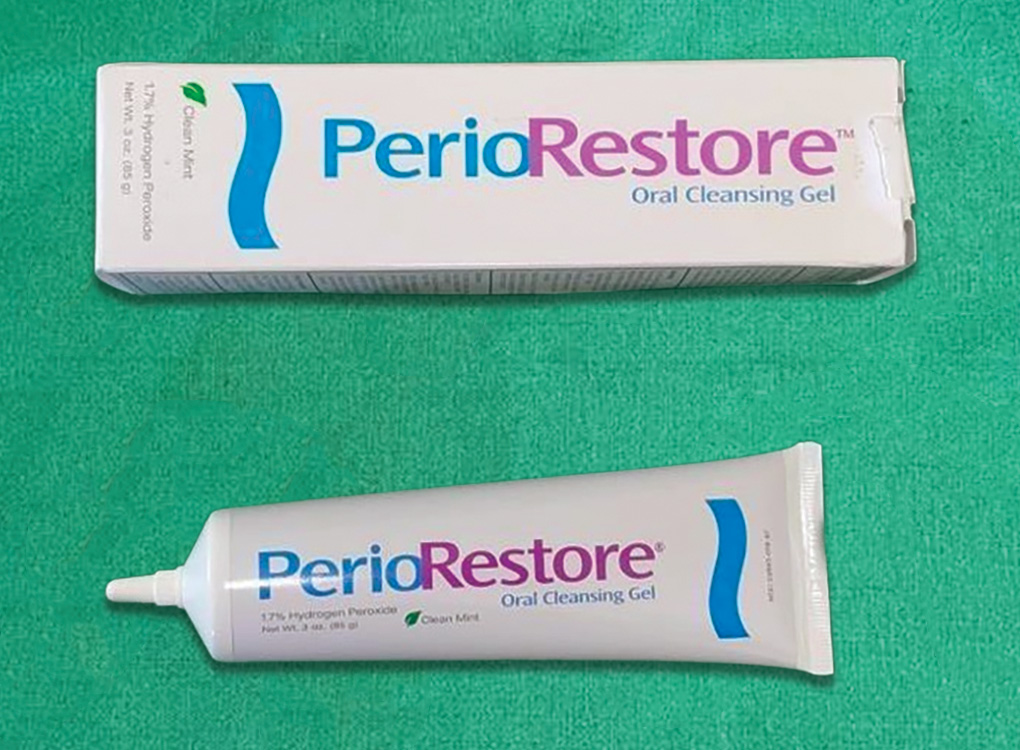
Fig. 1: Perio Restore gel
MATERIALS AND METHODS
Periodontitis is an inflammatory condition of the supporting dental tissues that is normally treated by mechanical removal of the subgingival biofilm. This mechanical treatment, generally known as SRP, is not entirely effective, and various adjunctive therapies have been investigated to improve the clinical outcome. This study evaluated the clinical effects of SRP alone or combined with local administration of hydrogen peroxide gel using customized trays in the treatment of subjects with chronic periodontitis.2
Topical antiseptics and antibiotics serve as adjuncts in managing recurrent or refractory periodontitis, where bacteria invade periodontal tissues, limiting the effectiveness of SRP alone. Local delivery directly into periodontal pockets allows higher drug concentrations at the infection site with minimal systemic side effects, enhancing bacterial control and treatment outcomes.3
Hydrogen peroxide acts as an oral debriding agent and wound cleanser with antimicrobial properties. In vitro studies using 1.7% hydrogen peroxide gel demonstrated effective disruption of Streptococcus mutans biofilm collected on glass carriers. Diffusion modeling showed that customized trays can deliver the gel into the sulcus even with crevicular fluid flow. In vivo analysis using scanning electron microscopy of paper point site samples revealed noticeable changes in periodontal microflora after application of a thin ribbon (approximately 0.7 gm) of the gel, indicating its potential for subgingival antimicrobial action.4
The addition of doxycycline to the tray/peroxide gel treatment regimen indicated that doxycycline did not result in residual post-SRP improvements to periodontal health over peroxide gel alone. However, it did provide a significant improvement in bleeding scores, suggesting that its inclusion may help patients reduce gingival inflammation. This may be explained in part by the anti-inflammatory, immune-modulating, and neuroprotective properties of doxycycline.5
Study Design
This clinical study aimed to evaluate the clinical efficacy of the PPM as an adjunctive nonsurgical treatment modality in managing chronic periodontitis.
Patient Selection
A total of 10 systemically healthy, nondiabetic patients diagnosed with chronic generalized periodontitis were selected from the outpatient department of Periodontology, Lenora Institute of Dental Sciences, Andhra Pradesh.
Inclusion Criteria
About 30–60 years, clinical diagnosis of chronic generalized periodontitis with probing pocket depths (PPDs) ≥4 mm in >30% of sites, no periodontal treatment or antibiotic usage in the last 3 months, systemically healthy individuals
Exclusion Criteria
Known diagnosis of type 1 or type 2 diabetes mellitus (HbA1c ≥5.7%), pregnant or lactating women, history of tobacco use or smoking, allergy to hydrogen peroxide or tray materials, and presence of systemic diseases affecting healing or immune response.
Clinical Parameters
Each patient underwent thorough periodontal evaluation, and baseline clinical parameters were recorded—plaque index, gingival index (GI),6 and BOP.7
Probing Pocket Depth
It refers to the distance measured from the gingival margin to the base of the periodontal pocket using the UNC-15 periodontal probe.
The 10 patients present with advanced periodontal disease, showing generalized periodontitis with areas of severe bone loss, deep pocket formation, and 100% BOP, despite having no relevant family or medical history. Following oral mechanical therapy, custom Perio TraysTM (Fig. 2) are fabricated based on the patient's periodontal condition and delivered for adjunctive home use to support subgingival medication delivery and enhance treatment outcomes.
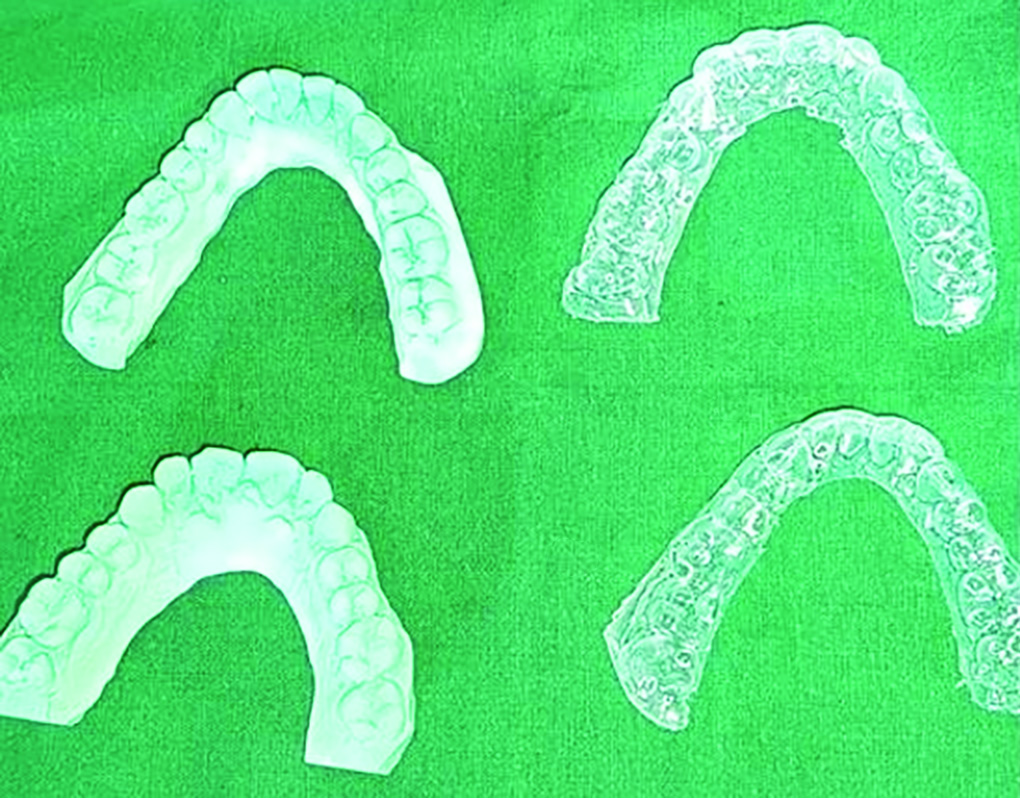
Fig. 2: Custom tray preparation
The treatment plan includes an initial examination, SRP, and impressions for Perio Trays. Fill the trays with 1.7% hydrogen peroxide gel (Fig. 1) along with doxycycline 50 mg/mL to evenly distribute the medication throughout the tooth indentations. Wear the trays (Fig. 3) once per day for 15–20 minutes for 3 months, and reevaluation should be done after 3 months.
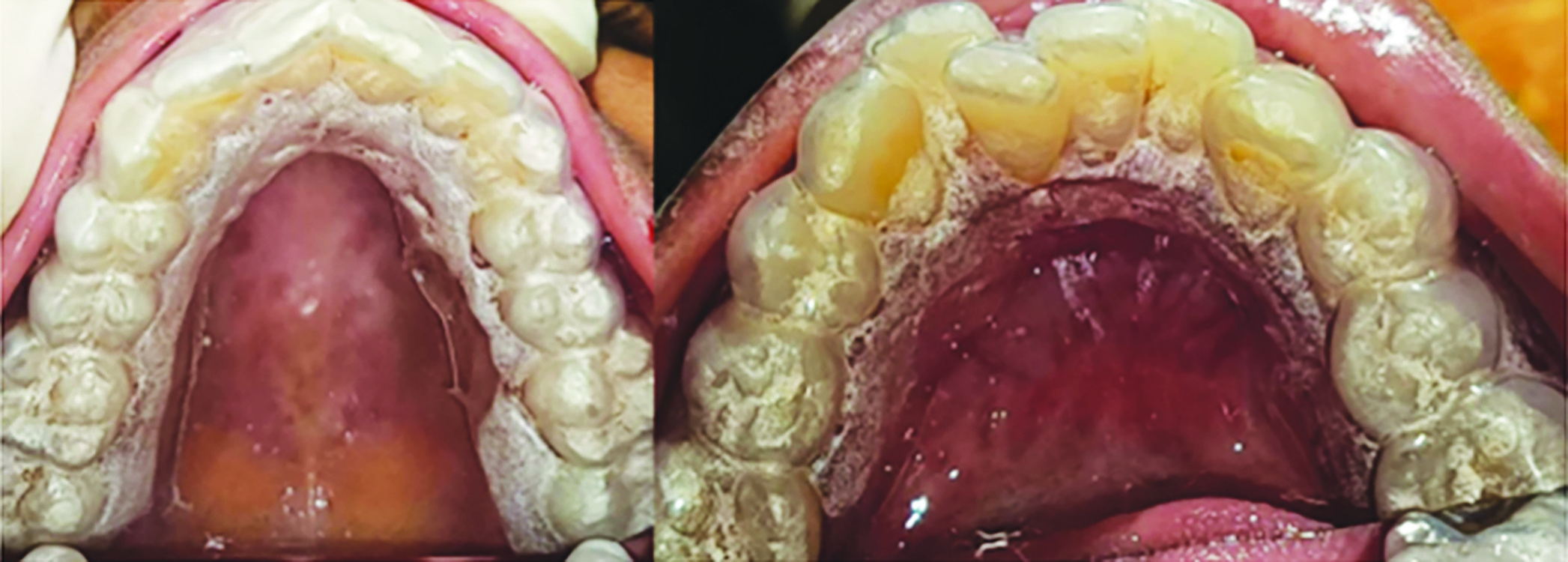
Fig. 3: Application of Perio Restore gel trays in both maxillary and mandibular arches
RESULTS
Plaque Index
At baseline, the mean PI was 2.73, which decreased to 1.21 after 3 months. However, the p-value < 0.001 indicates a statistically significant value.
Bleeding on Probing
The mean score for BOP decreased from 2.04 at baseline to 0.69 after 3 months. The p-value < 0.001 suggests a statistically significant value.
Probing Depth
The mean probing depth decreased from 5.60 at baseline to 2.60 after 3 months. The p-value < 0.001 indicates a statistically significant value (Figs 3 and 4).
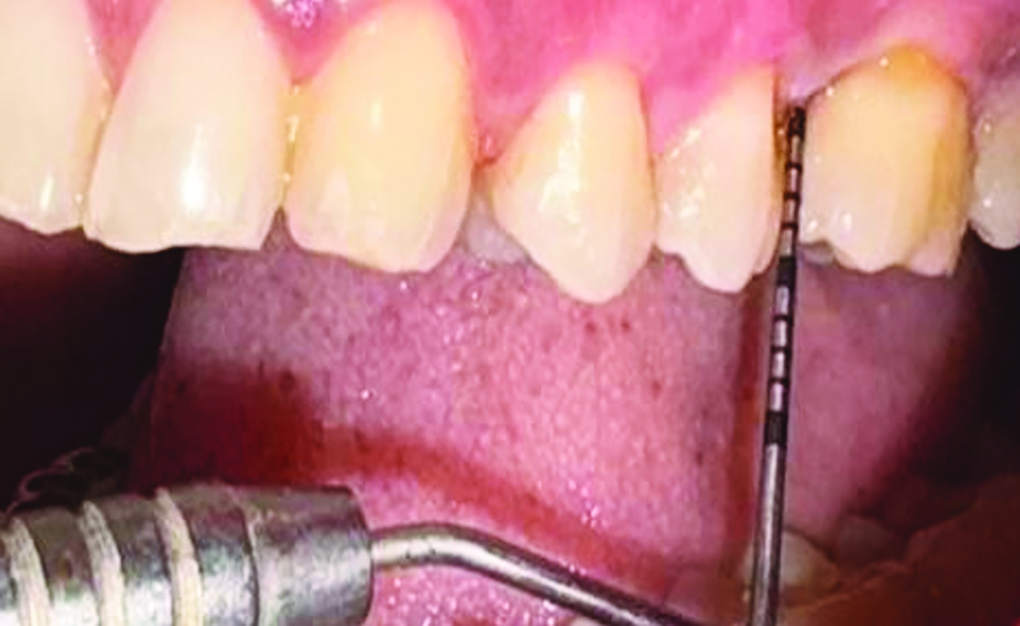
Fig. 4: Probing depth >5 mm was recorded for tooth 26 at baseline
Gingival Index
The mean GI decreased from 2.26 at baseline to 0.97 after 3 months (Figs 5 to 7). The p-value < 0.001 suggests a statistically significant value (Fig. 8 and Table 1).
| Parameter | Baseline Mean ± SD |
Follow-up Mean ± SD |
Mean difference | p-value |
|---|---|---|---|---|
| PI | 2.7370 ± 0.8277 | 1.2190 ± 0.4015 | 1.5180 | <0.001 |
| Bleeding index | 2.0400 ± 0.3565 | 0.6970 ± 0.4542 | 1.3430 | <0.001 |
| Probing depth | 5.6000 ± 0.6992 | 2.6000 ± 0.5164 | 3.0000 | <0.001 |
| GI | 2.2620 ± 0.8339 | 0.9710 ± 0.2210 | 1.2910 | <0.001 |
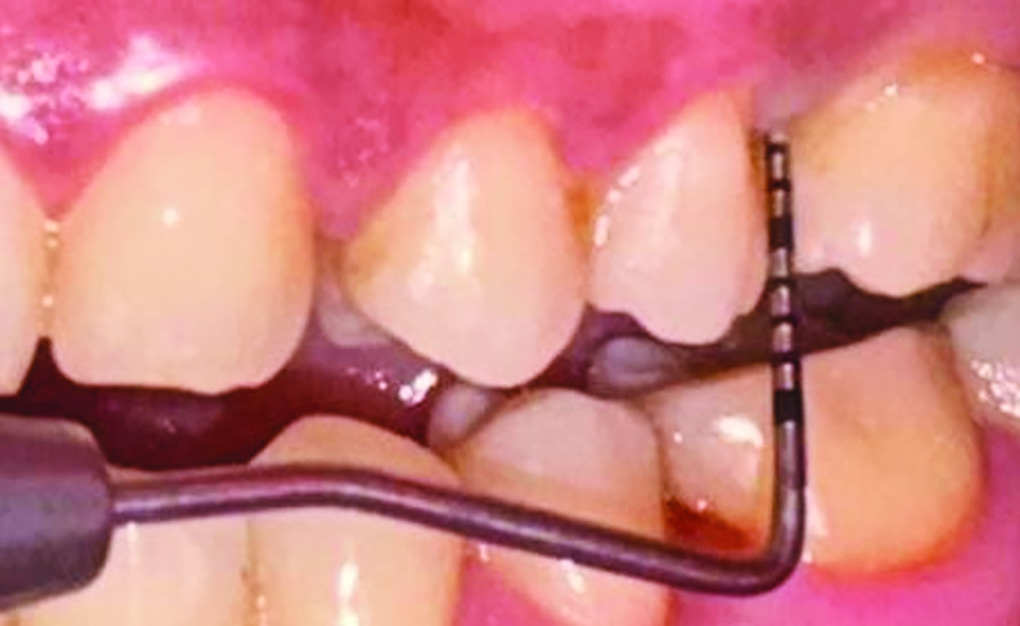
Fig. 5: Three months posttreatment, the probing depth at 26 was reduced to 5 mm
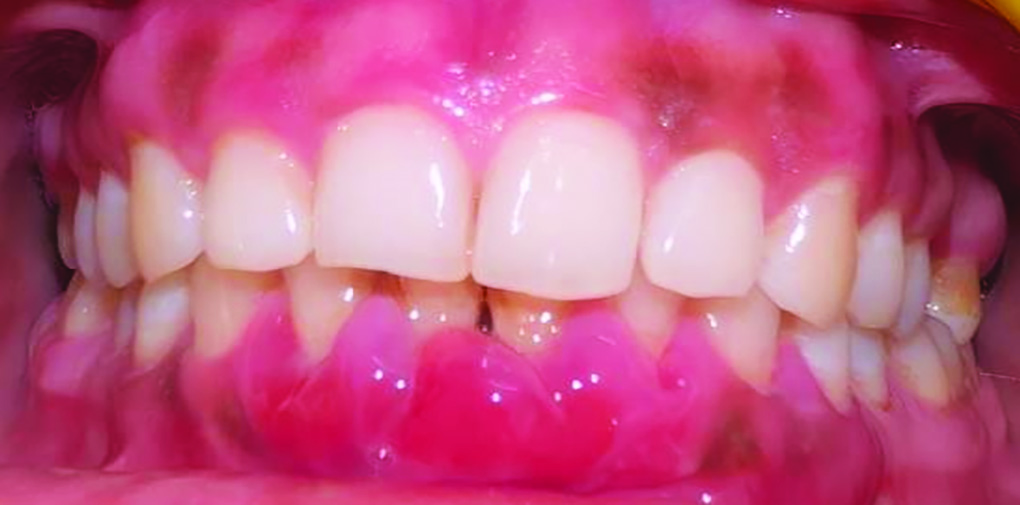
Fig. 6: At baseline, the patient presented with severe gingival enlargement in the mandibular anterior region
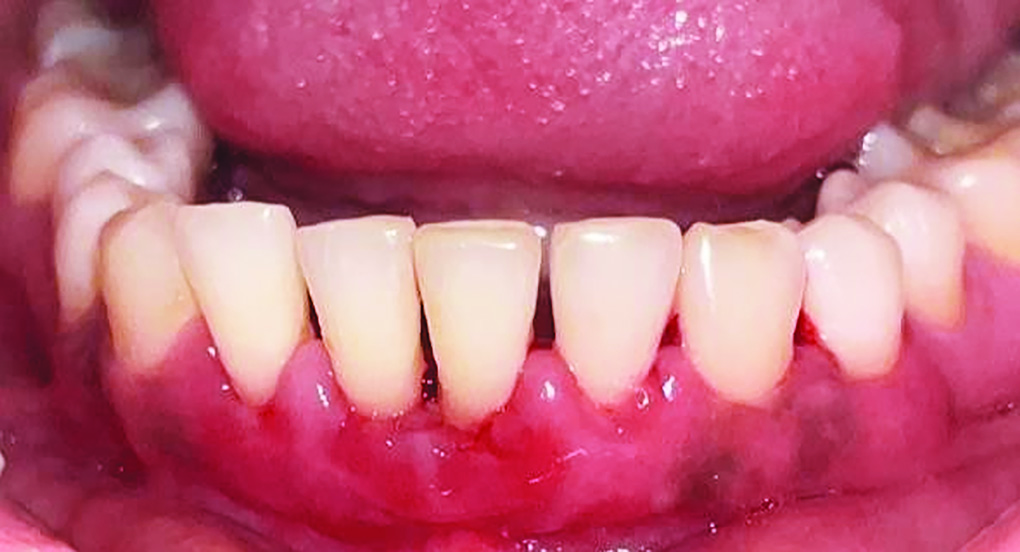
Fig. 7: Three months posttreatment, the gingival enlargement in the mandibular anterior teeth showed marked improvement
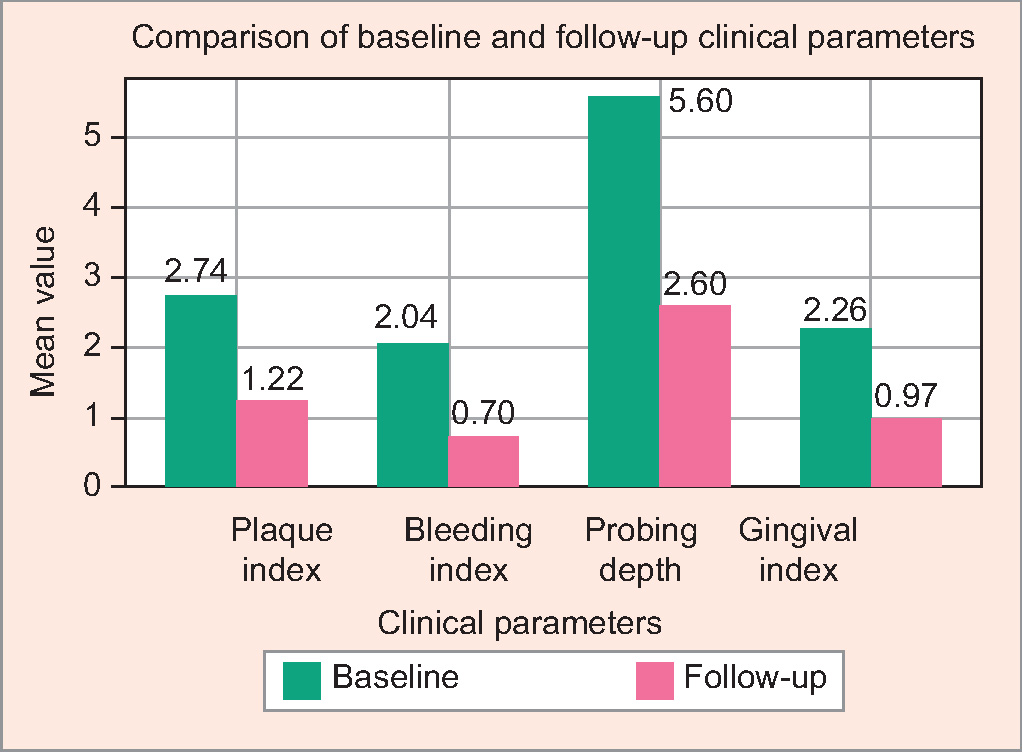
Fig. 8: Comparison of different parameters at baseline and 3 months of follow-up
DISCUSSION
The present study was undertaken to evaluate the short-term effectiveness of the PPM when used as an adjunct to conventional nonsurgical periodontal therapy. Although statistical significance was not achieved within the 3-month observation period, the results demonstrated consistent clinical improvements across all recorded parameters, including PI, BOP, GI, and PPD. Specifically, PI decreased from 5.60 to 2.60, BOP from 2.04 to 0.69, and GI from 2.26 to 0.97. These findings indicate a reduction in plaque accumulation and gingival inflammation, which are consistent with the antimicrobial and anti-inflammatory effects of tray-delivered hydrogen peroxide reported by Putt et al.5
Among the various parameters, the reduction in PPD was the most clinically meaningful outcome. A mean reduction of 1 mm was observed, which is in agreement with the study conducted by Putt and Proskin.8 This improvement supports previous evidence that adjunctive local delivery of antimicrobial agents can achieve better clinical outcomes compared with SRP alone.2 The mechanism of action of the PPM system involves the application of a 1.7% hydrogen peroxide gel through custom-fitted trays, which facilitates oxidative disruption of subgingival biofilm colonies. Diffusion studies and clinical observations have demonstrated that the gel can penetrate into periodontal pockets up to 9 mm in depth, thereby enabling effective microbial control in deep sites that are difficult to access using conventional instrumentation.4 Furthermore, the localized delivery avoids systemic drug exposure, making it a safe adjunctive modality for long-term periodontal maintenance.
Although the improvements observed in the present study did not reach statistical significance, the downward trend in all clinical parameters is noteworthy. Several factors may have influenced the lack of significance, including the relatively small sample size, the short duration of follow-up, and variations in patient compliance. In contrast, previous studies with larger populations and longer observation periods have reported statistically significant reductions in probing depth and bleeding indices when PPM was used adjunctively.5,8 These observations underscore the importance of study design in clinical research and highlight the need for extended monitoring to fully evaluate the benefits of adjunctive therapies.
The findings of the current study are also consistent with the host modulation concept proposed by Offenbacher,9 which emphasizes the role of adjunctive anti-inflammatory strategies in controlling periodontal disease progression. Given the established association between periodontal inflammation and systemic conditions such as diabetes, therapies like PPM that combine local antimicrobial and anti-inflammatory effects may be particularly valuable in high-risk populations. Moreover, the 2017 World Workshop classification, as discussed by Caton et al.,10 supports the integration of adjunctive approaches into conventional periodontal care to enhance clinical outcomes and improve patient-centered results.
In conclusion, while statistical significance was not achieved in this short-term trial, the consistent downward trends in all clinical indices suggest that the PPM may serve as a valuable adjunct to SRP in the management of periodontitis. Future studies with larger sample sizes, extended follow-up, microbiological and host-response analyses, and inclusion of patient-reported outcomes are warranted to confirm the long-term clinical efficacy and potential routine applicability of this adjunctive therapy in periodontal practice.
CONCLUSION
The study showed promising clinical improvements, but limitations include small sample size, short follow-up, unmeasured patient compliance, and lack of microbiological or systemic markers, all of which may have impacted statistical outcomes. In conclusion, the PPM used alongside SRP showed clinical benefits in reducing plaque, bleeding, probing depth, and inflammation. Though not statistically significant, these trends suggest the method's potential in chronic periodontitis management, warranting further long-term studies with larger samples and biological marker evaluation.
REFERENCES
1. Keller DC. HbA1c, and blood glucose, changes when treating periodontal disease with the Perio Protect MethodTM. Oral Health Dent Sci 2023;7(1);1–8. DOI: 10.33425/2639-9490.1119
2. Putt MS, Proskin HM. Custom tray application of peroxide gel as an adjunct to scaling and root planing in the treatment of periodontitis: a randomized, controlled three-month clinical trial. J Clin Dent 2012;23(2):48–56. PMID: 22779217.
3. Komara I, Winata EA, Susanto A, et al. Periodontal tray application of chlorine dioxide gel as an adjunct to scaling and root planing in the treatment of chronic periodontitis. Saudi Dent J 2020;32(4):194–199. DOI: 10.1016/j.sdentj.2019.08.006
4. Dunlap T, Keller DC, Marshall MV, et al. Subgingival delivery of oral debriding agents: a proof of concept. J Clin Dent 2011;22(5):149–158. PMID: 22403980.
5. Putt MS, Mallatt ME, Messmann LL, et al. A 6-month clinical investigation of custom tray application of peroxide gel with or without doxycycline as adjuncts to scaling and root planing for treatment of periodontitis. Am J Dent 2014;27(5):273–284. PMID: 25842461.
6. Silness J, Loe H. Periodontal disease in pregnancy. II. Correlation between oral hygiene and periodontal condition. Acta Odontol Scand 1964;22:121–135. DOI: 10.3109/00016356408993968
7. Mühlemann HR, Son S. Gingival sulcus bleeding—a leading symptom in initial gingivitis. Helv Odontol Acta 1971;15(2):107–113. PMID: 5315729.
8. Putt M, Proskin HM. Custom tray application of peroxide gel as an adjunct to scaling and root planing in the treatment of periodontitis: results of a randomized controlled trial after six months. J Clin Dent 2013;24(3):100–107. PMID: 24660272.
9. Offenbacher S. Periodontal diseases: pathogenesis. Ann Periodontol 1996;1(1):821–878. DOI: 10.1902/annals.1996.1.1.821
10. Caton JG, Armitage G, Berglundh T, et al. A new classification scheme for periodontal and peri-implant diseases and conditions—introduction and key changes from the 1999 classification. J Clin Periodontol 2018;45(Suppl 20):S1–S8. DOI: 10.1111/jcpe.12935
________________________
© The Author(s). 2025 Open Access. This article is distributed under the terms of the Creative Commons Attribution-NonCommercial 4.0 International License (https://creativecommons.org/licenses/by-nc/4.0/). This license permits non-commercial use, distribution, and reproduction in any medium, provided the original author and source are credited, a link to the license is included, and any changes are indicated.